
Imagine starting your morning without a cup of tea. For millions of people, especially in India, this seems almost impossible. Whether it is a strong cup of milk tea before work, refreshing green tea after a meal, or aromatic herbal tea in the evening, tea has become an important part of everyday life.
But have you ever wondered whether your daily cup of tea is actually a good choice for your body?
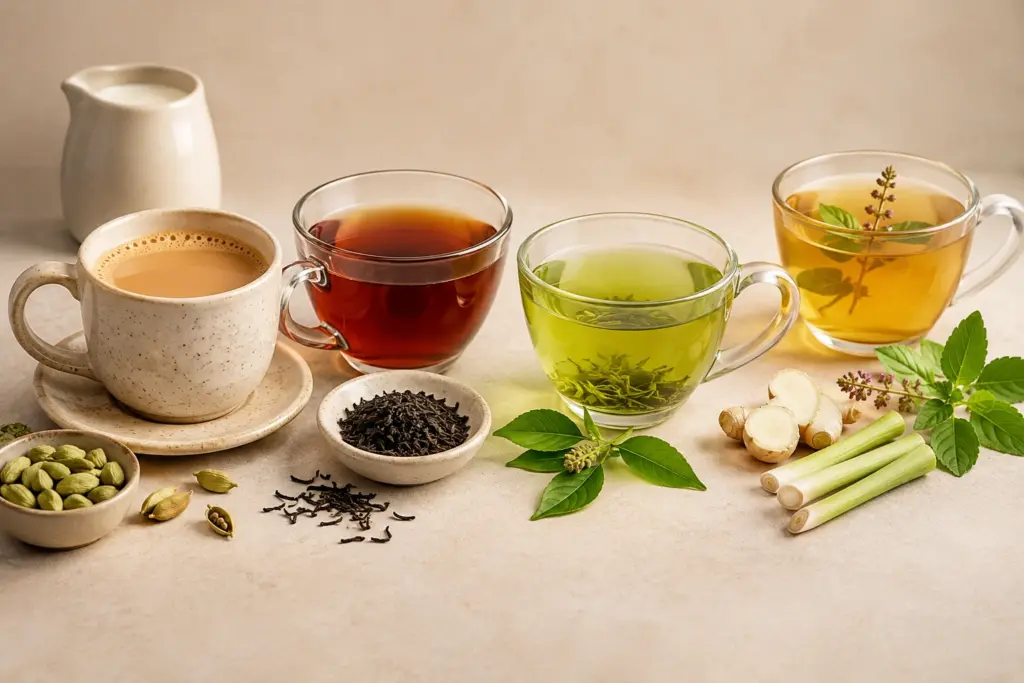
Many people drink multiple cups of milk tea every day without considering their sugar intake. Others switch to green tea because they believe it is automatically healthier. Some prefer black tea, while others are discovering herbal tea as an alternative.
The truth is that different types of tea have different ingredients, nutritional properties and potential health effects.
In this guide to Types of Tea and Their Benefits, we will explore milk tea, black tea, green tea and herbal tea, understand their real benefits, discuss their possible disadvantages and help you choose a suitable beverage for your daily routine.
Types of Tea and Their Benefits: Understanding the Four Popular Choices
Before deciding which tea is better, it is important to understand what goes into each cup.
1. Milk Tea: Benefits, Nutrition and Possible Side Effects
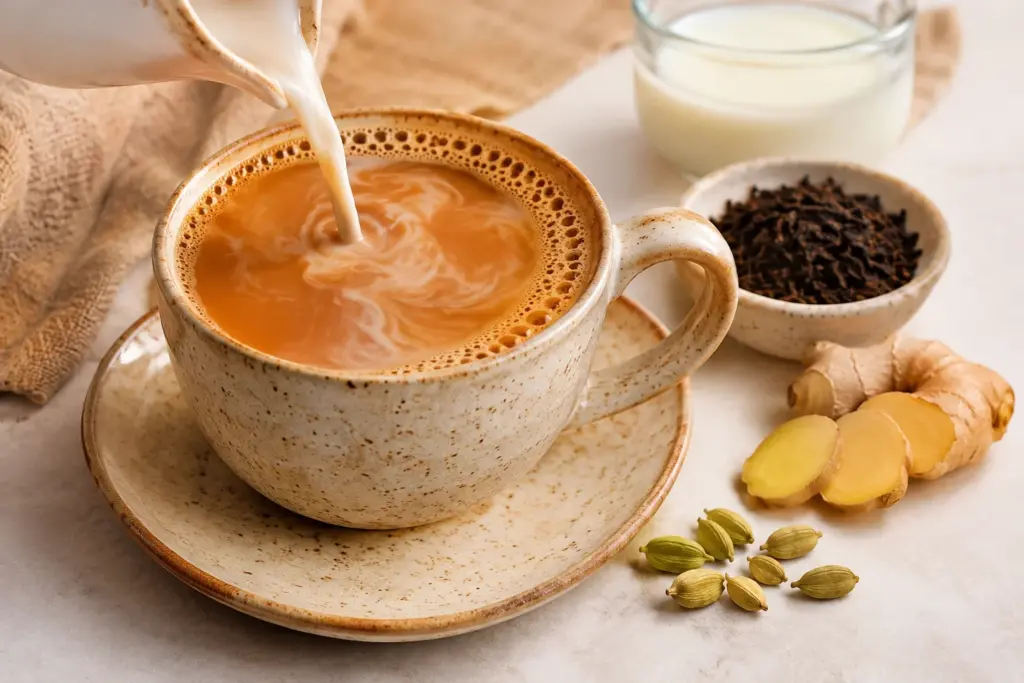
Milk tea, commonly known as chai in India, is prepared using tea leaves, milk, water and often sugar. Ginger, cardamom and other spices may also be added for flavour.
Potential Benefits of Milk Tea
- Calcium: Milk provides calcium, which supports normal bone and dental health.
- Protein: Milk contains protein that contributes to muscle maintenance.
- Mental Alertness: Caffeine from tea leaves may temporarily improve alertness.
- Enjoyment: A warm cup of chai can be a comforting part of your daily routine.
Possible Disadvantages of Milk Tea
- Excessive added sugar can increase calorie intake.
- Too much caffeine may interfere with sleep.
- People with lactose intolerance may experience digestive discomfort.
- Tea consumed with meals may reduce the absorption of non-haem iron from plant-based foods.
Milk tea is not automatically unhealthy. The quantity of milk, sugar and tea consumed matters.
2. Black Tea: Strong Flavour with Natural Antioxidants
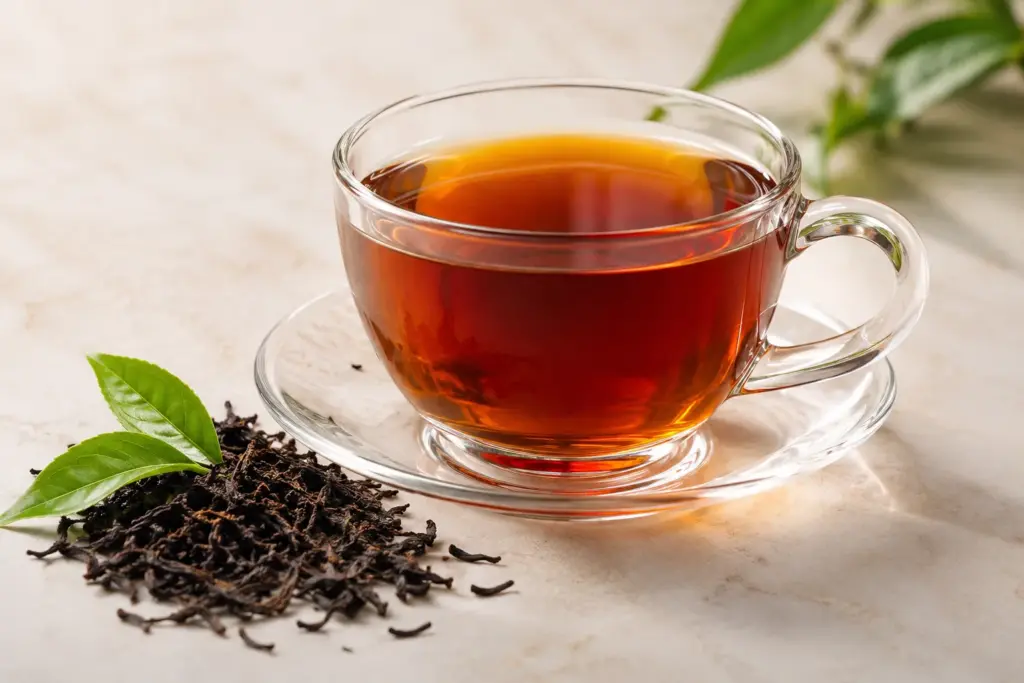
Black tea is made from the leaves of the Camellia sinensis plant. It undergoes oxidation during processing, which gives it its characteristic dark colour and strong flavour.
Potential Benefits of Black Tea
- Contains natural polyphenols, including theaflavins.
- Provides caffeine that may support temporary mental alertness.
- Plain black tea is naturally low in calories.
- Its plant compounds are being studied for their potential cardiovascular effects.
Possible Disadvantages of Black Tea
- Excessive caffeine may cause restlessness.
- Drinking it late in the day may disturb sleep.
- Some individuals may experience stomach discomfort.
- Added sugar increases its calorie content.
Plain black tea can be an alternative for people who enjoy a stronger flavour without milk.
3. Green Tea: Why Is It Popular Among Health-Conscious People?
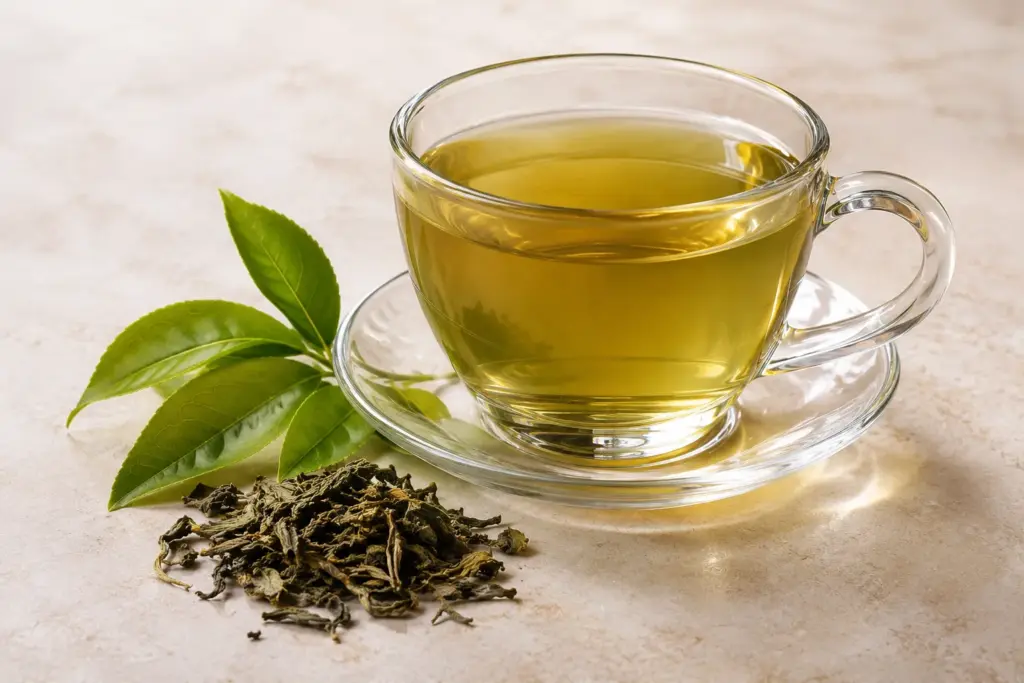
Green tea is made from the same plant as black tea, but it undergoes minimal oxidation during processing.
It is particularly known for naturally occurring catechins, including EGCG.
Potential Benefits of Green Tea
- Contains naturally occurring antioxidant compounds.
- Provides caffeine for temporary mental alertness.
- Contains L-theanine, an amino acid studied for its effects on attention.
- Unsweetened green tea is naturally low in calories.
- Research has explored its possible modest role in cardiovascular health and weight management.
Possible Disadvantages of Green Tea
- Contains caffeine and may affect sleep.
- Drinking it on an empty stomach may cause nausea in some people.
- Excessive intake may cause caffeine-related side effects.
- Concentrated green tea extracts have different safety considerations from brewed tea.
Green tea can be a suitable option for people looking for a light, unsweetened beverage.
4. Herbal Tea: A Different Way to Enjoy Your Daily Beverage
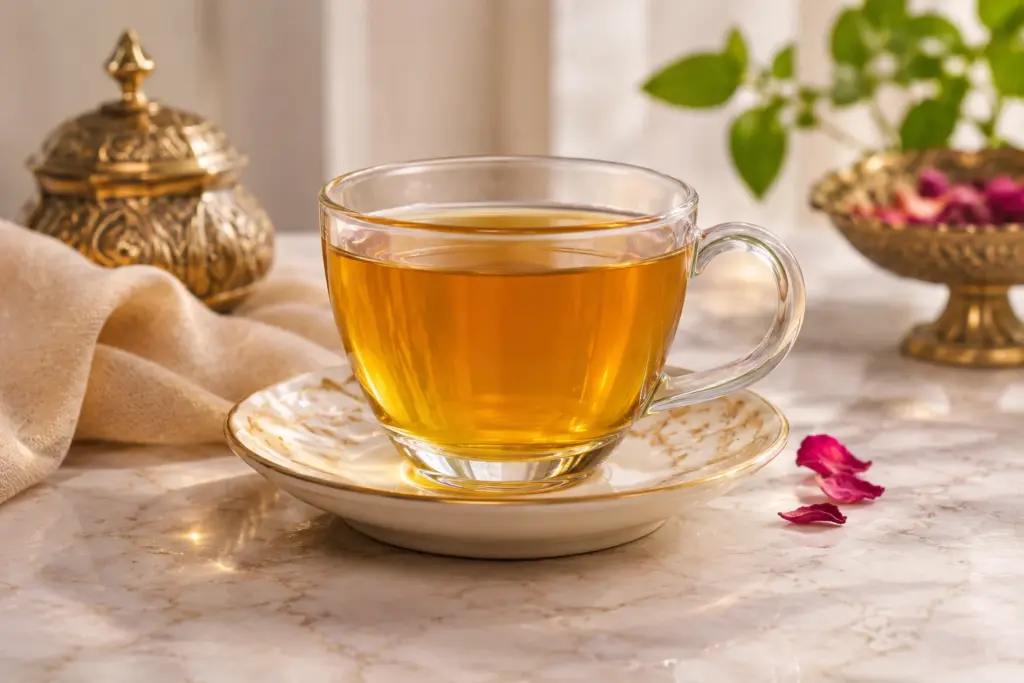
Unlike traditional green and black tea, herbal tea is generally prepared using herbs, flowers, roots, seeds and spices rather than Camellia sinensis leaves.
Some commonly used ingredients include Tulsi, Ginger, Lemongrass, Fennel, Cinnamon, Mulethi, Chamomile and Peppermint.
Potential Benefits of Herbal Tea
- Many herbal infusions are naturally caffeine-free.
- They contribute to daily fluid intake.
- Different herbs contain different naturally occurring plant compounds.
- Unsweetened herbal tea can be an alternative to sugary beverages.
- Different ingredients offer a variety of natural flavours.
Common Herbal Tea Ingredients and Their Traditional Uses
- Tulsi: Traditionally valued in Indian wellness practices.
- Ginger: Commonly used in traditional preparations for digestive comfort.
- Lemongrass: Appreciated for its refreshing aroma.
- Fennel: Traditionally consumed after meals.
- Cinnamon: Adds a naturally warming flavour.
- Chamomile: Commonly enjoyed in relaxing evening infusions.
Possible Disadvantages of Herbal Tea
Herbal tea is not automatically suitable for everyone. Some herbs may interact with medicines or may not be appropriate during pregnancy or breastfeeding. Excessive licorice consumption, for example, may affect blood pressure and potassium levels.
Always check the ingredients before choosing an herbal blend.
Types of Tea and Their Benefits: What Is the Difference?
Now that we understand the four popular varieties, let’s compare them.
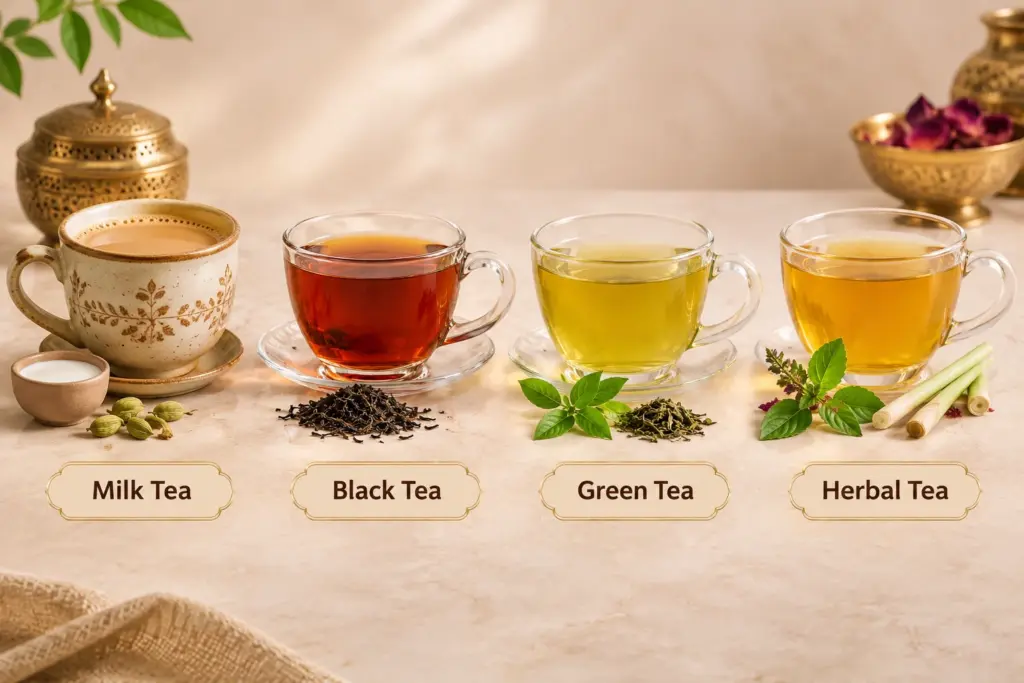
| Feature | Milk Tea | Black Tea | Green Tea | Herbal Tea |
|---|---|---|---|---|
| Main ingredients | Tea and milk | Tea leaves | Tea leaves | Herbs and spices |
| Caffeine | Yes | Yes | Yes | Usually none |
| Antioxidants | Tea polyphenols | Theaflavins and other polyphenols | Catechins | Depends on ingredients |
| Calories | Varies | Very low if plain | Very low if plain | Usually low if plain |
| Flavour | Creamy | Strong | Light | Varies |
| Added sugar | Commonly added | Optional | Optional | Optional |
Which Tea Is Best for Your Health?
This is probably the most important question.
There is no single tea that is scientifically proven to be the best for everyone. The right choice depends on your lifestyle, caffeine sensitivity, and dietary preferences.
Choose Milk Tea If:
- You enjoy its creamy taste.
- You want the additional nutrients provided by milk.
- You can keep sugar and serving sizes moderate.
Choose Black Tea If:
- You prefer a strong tea flavour.
- You want a simple beverage without milk.
- You enjoy caffeinated drinks.
Choose Green Tea If:
- You prefer a light-tasting beverage.
- You want a low-calorie drink.
- You are comfortable with moderate caffeine intake.
Choose Herbal Tea If:
- You want a caffeine-free alternative.
- You enjoy herbal ingredients and natural flavours.
- You want an alternative to sugary beverages.
If your priority is reducing added sugar and caffeine, unsweetened herbal tea can be a practical everyday option.
How to Make Your Daily Tea Habit Healthier
You do not need to make complicated lifestyle changes to improve your beverage choices.
Here are some simple habits to follow:
- Reduce the amount of added sugar in regular tea.
- Avoid excessive caffeine, especially before bedtime.
- Try unsweetened herbal tea as an alternative to sugary beverages.
- Read ingredient labels before purchasing herbal blends.
- Avoid drinking excessively hot beverages.
- Maintain a balanced diet and adequate hydration.
- Choose tea according to your preferences and individual tolerance.
Remember, tea cannot replace a balanced diet, adequate sleep, physical activity or appropriate medical care.
Discover Herbal Tea with Divyaveda
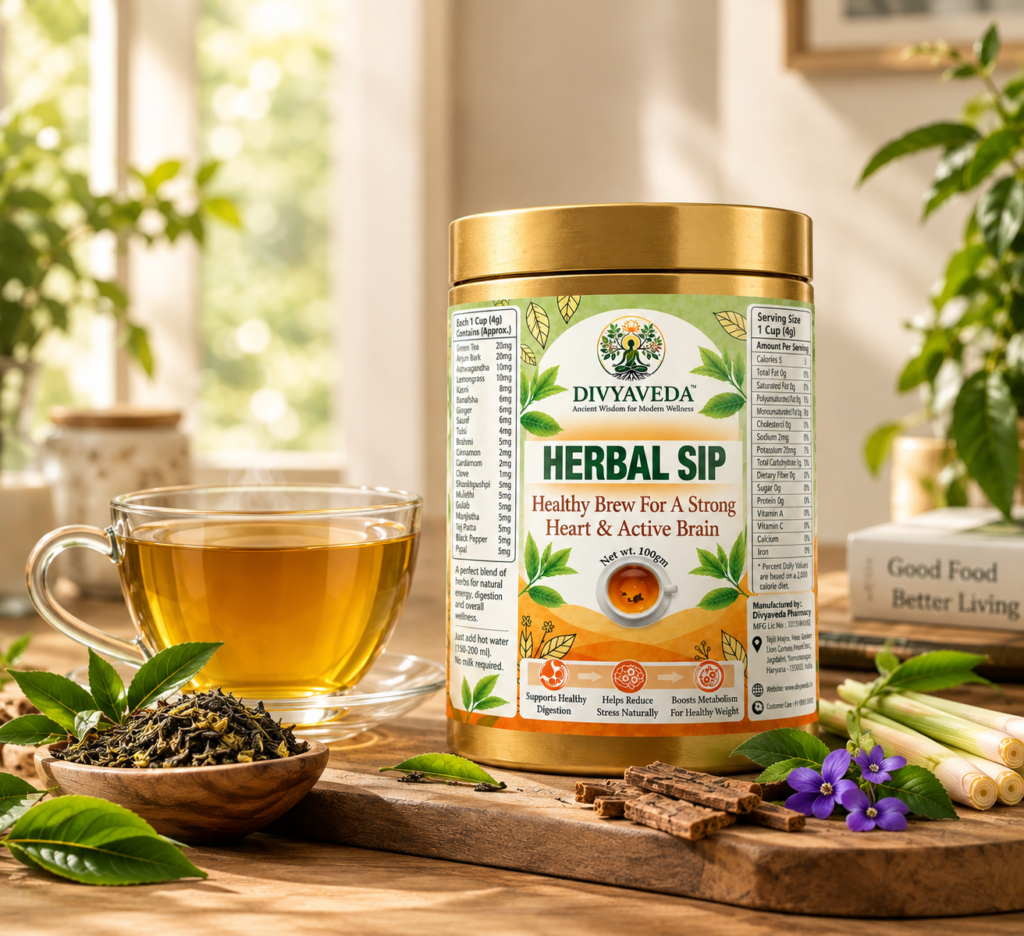
Explore Divyaveda Herbal Tea : Divyaveda Herbal Tea – 100g
A daily wellness routine does not always need complicated changes. Sometimes, exploring different ingredients and making mindful beverage choices is a simple place to start.
At Divyaveda, we believe in making Ayurvedic and herbal wellness easier to understand through familiar ingredients and everyday product choices.
Our Herbal Tea combines a variety of traditional ingredients, including Tulsi, Lemongrass, Ginger, Fennel, Cinnamon, Ashwagandha and other herbs.
If you enjoy exploring different herbal flavours, discover the Divyaveda Herbal Tea range and explore herbal beverage options for your daily routine.
Make informed choices, explore natural flavours and enjoy your everyday tea experience with Divyaveda.
Frequently Asked Questions About Different Types of Tea
1. What are the different types of tea and their benefits?
Common types include milk tea, black tea, green tea and herbal tea. Black and green tea contain natural polyphenols, milk tea provides nutrients from milk, and herbal tea offers a variety of plant-based ingredients.
2. Which tea is best for daily consumption?
Unsweetened herbal tea, green tea and black tea can all be suitable daily beverages. The choice depends on caffeine sensitivity, ingredients and personal preference.
3. Is herbal tea better than milk tea?
Herbal tea can be a good option for people who want to reduce caffeine and added sugar. Milk tea provides calcium and protein from milk. Neither is universally better for everyone.
4. What are the side effects of drinking milk tea every day?
Excess sugar and caffeine may contribute to health concerns, while milk may cause digestive discomfort in people with lactose intolerance.
5. Is green tea healthier than black tea?
Both contain naturally occurring plant compounds. Green tea is particularly known for catechins, while black tea contains theaflavins. Neither is universally superior.
6. Does herbal tea contain caffeine?
Most herbal infusions are naturally caffeine-free. However, blends containing green tea or black tea may contain caffeine.
7. Can herbal tea replace regular milk tea?
Yes. Herbal tea can be an alternative to milk tea, particularly for people who want to reduce caffeine or avoid milk-based beverages. However, it does not provide the same nutrients as milk.
Final Thoughts: Make a Better Choice with Every Cup
Understanding the different types of tea and their benefits can help you make more informed everyday beverage choices.
Milk tea, black tea, green tea, and herbal tea each have their own characteristics. The goal is not to label one as completely good and another as completely bad.
Instead, focus on moderation, ingredient quality, and what works for your lifestyle.
Because a better daily routine starts with better-informed choices.